What Makes a Job Autism Friendly?
Meaningful Opportunity
One of the things I have learned through building The Awesome Company is that a lot of autistic adults are incredibly capable, hardworking, and detail-oriented, but many workplaces simply are not designed with them in mind. Too often, talented people struggle to find environments where they feel supported, understood, and set up for success.
When people search for jobs for autism, they are usually looking for more than just a paycheck. They are looking for a workplace where communication feels clear, expectations make sense, and their strengths are recognized instead of overlooked.
At TAC, creating meaningful employment opportunities for autistic adults has always been at the center of what we do. We have seen firsthand how much people thrive when they are given structure, support, and an environment that respects different ways of thinking and working.
In this article, I want to talk about what actually makes a job autism friendly, why inclusive workplaces matter, and what businesses can do to create environments where neurodiverse employees can succeed.

Why Autism Friendly Workplaces Matter
Autism friendly workplaces matter because everyone deserves the opportunity to work in an environment where they feel supported, respected, and able to succeed. Unfortunately, many traditional workplaces are not built with neurodiverse employees in mind, which can create unnecessary barriers for autistic adults.
For a lot of autistic individuals, the challenge is not a lack of ability. It is often the environment itself. Loud spaces, unclear communication, inconsistent expectations, or high-pressure interview processes can make it difficult for someone to feel comfortable and confident at work.
That does not mean they are not capable. In many cases, it means the workplace is not structured in a way that allows their strengths to shine.
Having access to meaningful work can have a huge impact on confidence, independence, and overall quality of life. A supportive job environment gives people the chance to contribute their skills, build relationships, and feel valued for the work they do.
Many autistic individuals bring incredible strengths into the workplace, including:
Attention to detail
Consistency
Focus
Creativity
Reliability
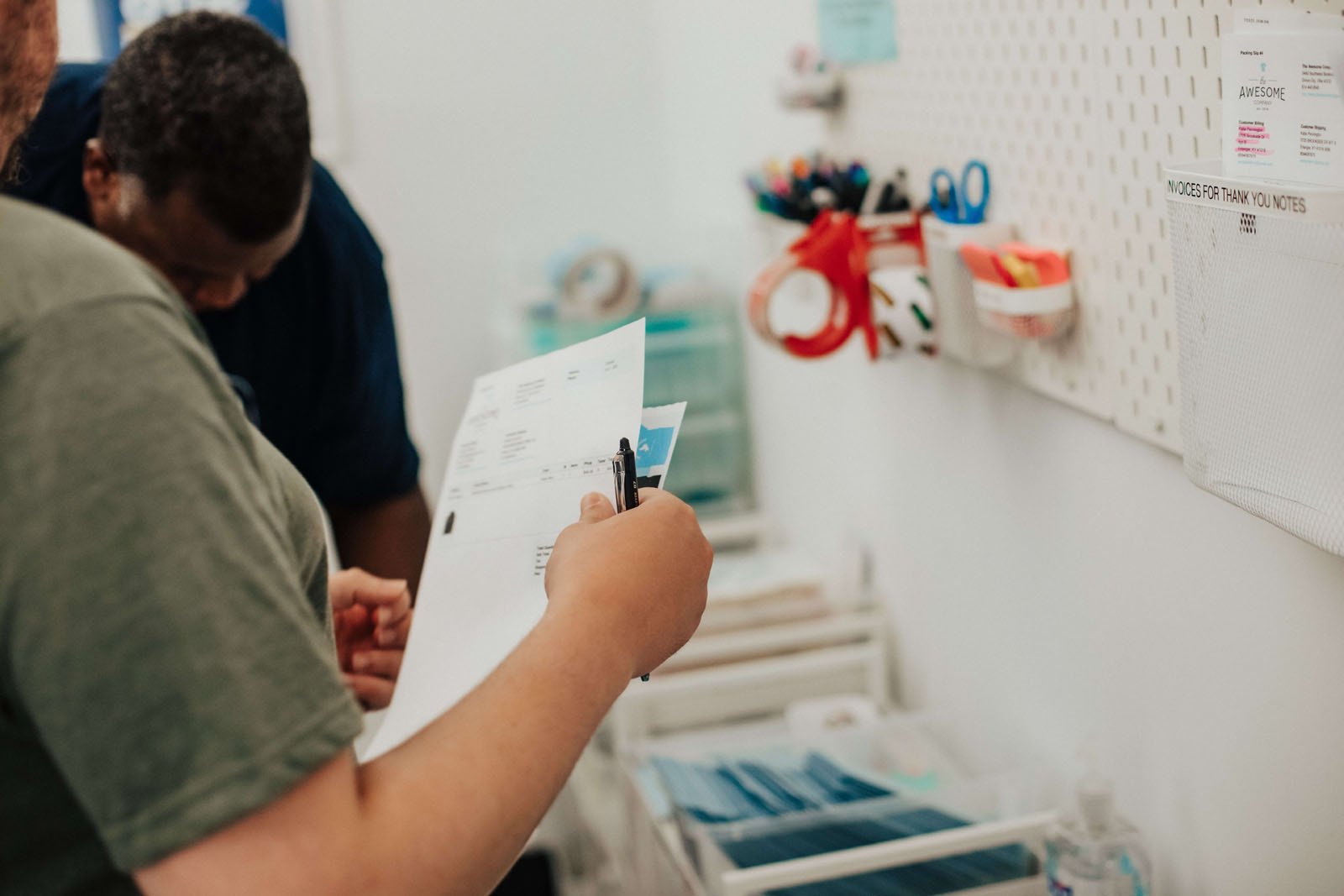
At The Awesome Company, we see these strengths every day within our production and apparel fulfillment process.
Clear communication, structure, and thoughtful support improve workplace culture for every employee, not just neurodiverse workers.
What Makes a Job Autism Friendly?
Clear Expectations and Structure
Autism friendly jobs often include:
Written instructions
Predictable schedules
Clear task expectations
Step-by-step processes
Structure helps many employees feel more comfortable and confident.
Supportive Communication
Direct and respectful communication makes a huge difference. Employees benefit from:
Clear feedback
Straightforward expectations
Patient training
Approachable leadership
Sensory Considerations
Workplaces that consider lighting, noise, and interruptions can help reduce stress and improve focus.
Consistency and Predictability
Stable routines and communication around changes help employees feel prepared and supported.
Respect for Different Strengths
Some autistic individuals excel at:
Organization
Creative thinking
Repetitive task consistency
Independent focus
Attention to detail
A truly autism friendly workplace recognizes and values those strengths. Here at TAC we meet you where you’re at and find the jobs that build our employees’ confidence.
Examples of Autism Friendly Jobs
Production Roles
Structured production environments can work well for many autistic individuals.
Examples include:
Garment preparation
Quality control
Packing orders
Inventory organization
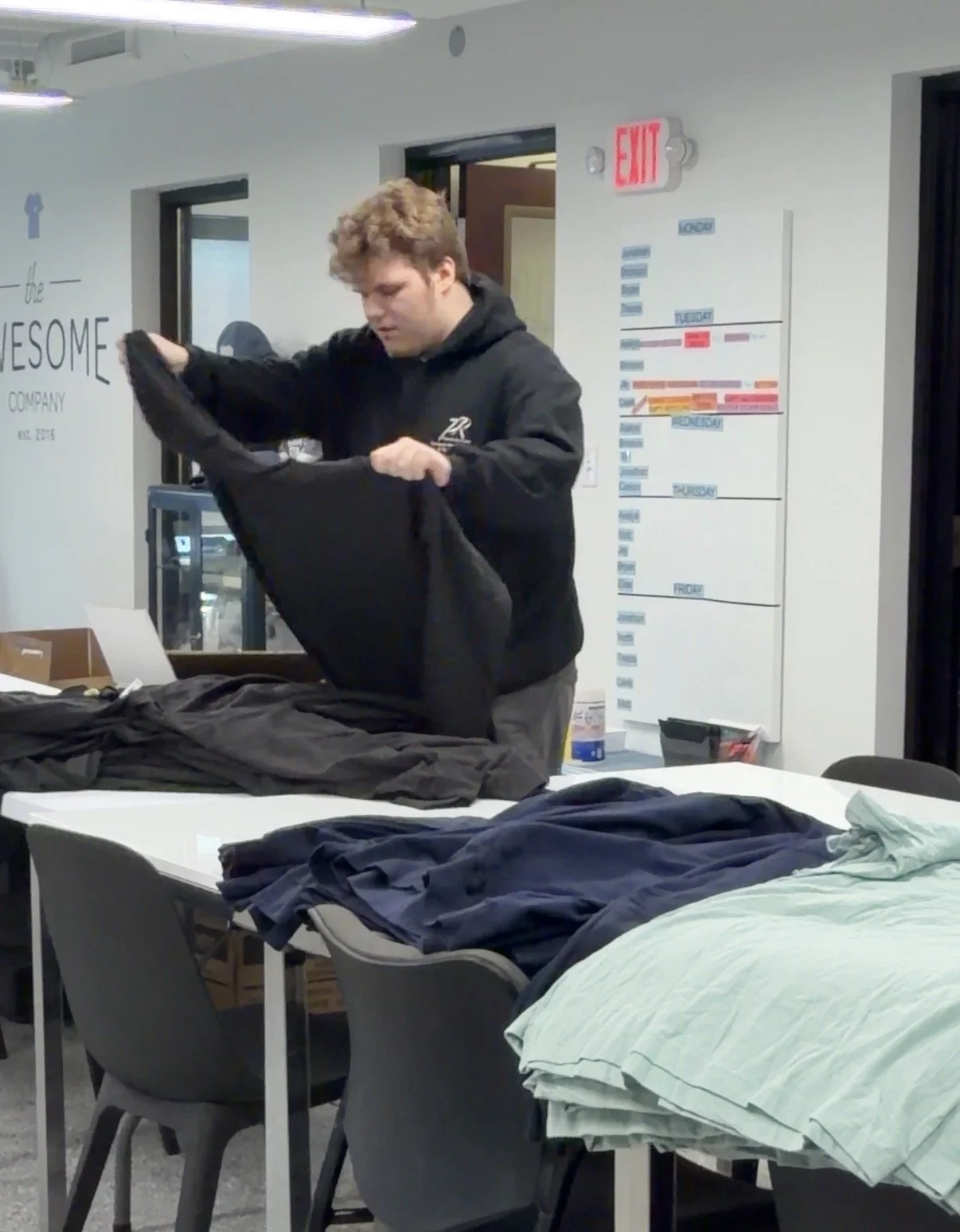
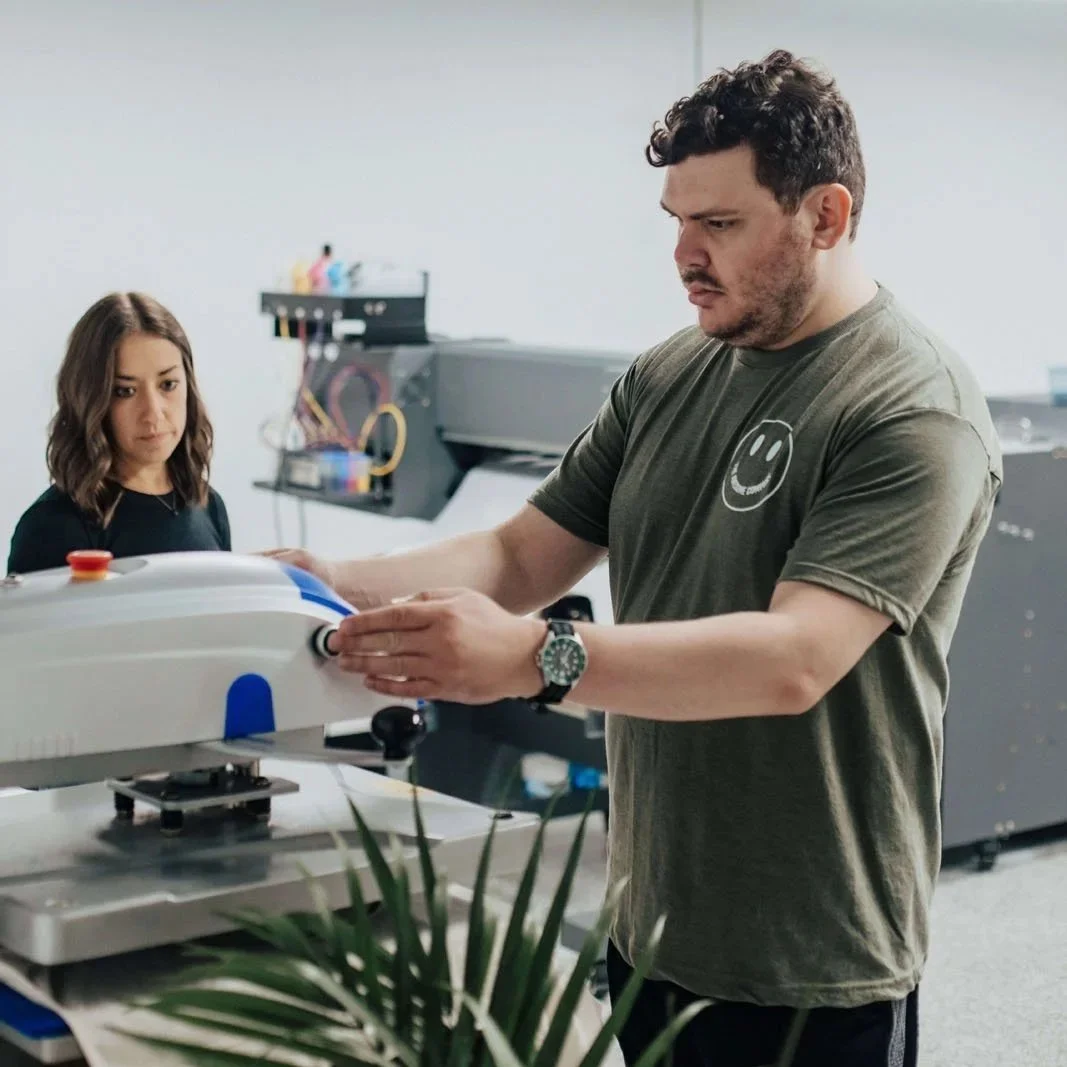
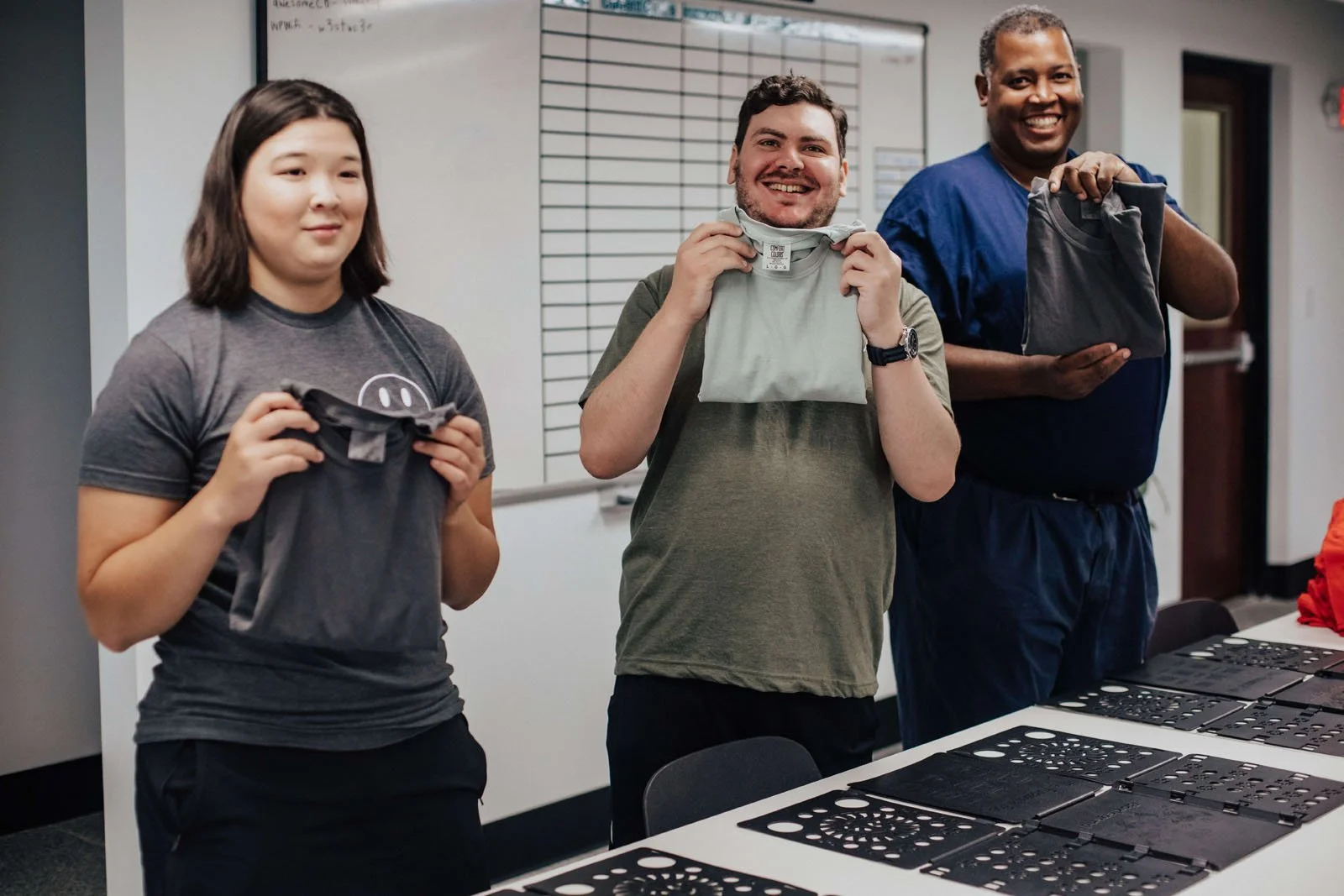
At The Awesome Company, our neurodiverse team plays an important role in apparel production and organization.
Inventory and Organization Roles
Jobs focused on systems and organization can be a strong fit for detail-oriented individuals.
Technology and Data-Focused Roles
Technology roles often provide opportunities for focused problem-solving and independent work.
Examples include:
Researching potential clients
Cold calling or emailing potential clients
Database entry
Independent or Task-Focused Work
Some people thrive in environments with fewer interruptions and more focused responsibilities.
Examples include:
Writing customer notes
Design transfer cutting
Pressing shirts
Button making
Garment folding
Packing orders
Delivering packages/orders to clients
How Employers Can Create More Autism Friendly Workplaces
Improve the Hiring Process
Employers can create more inclusive hiring practices by:
Using clear interview questions
Providing expectations ahead of time
Focusing on skills over social performance
Provide Clear Communication
Clear instructions and written expectations help employees feel more confident and supported.
Create Predictable Work Environments
Predictable schedules and workflows reduce unnecessary stress.
Consider Sensory Needs
Simple accommodations like quieter spaces or flexible breaks can make a major difference.
Focus on Strengths Instead of Limitations
Inclusive employers recognize the value neurodiverse employees bring to their teams.
Build a Culture of Respect and Inclusion
Supportive workplace culture helps employees feel valued and comfortable being themselves.
What We’ve Learned at The Awesome Company
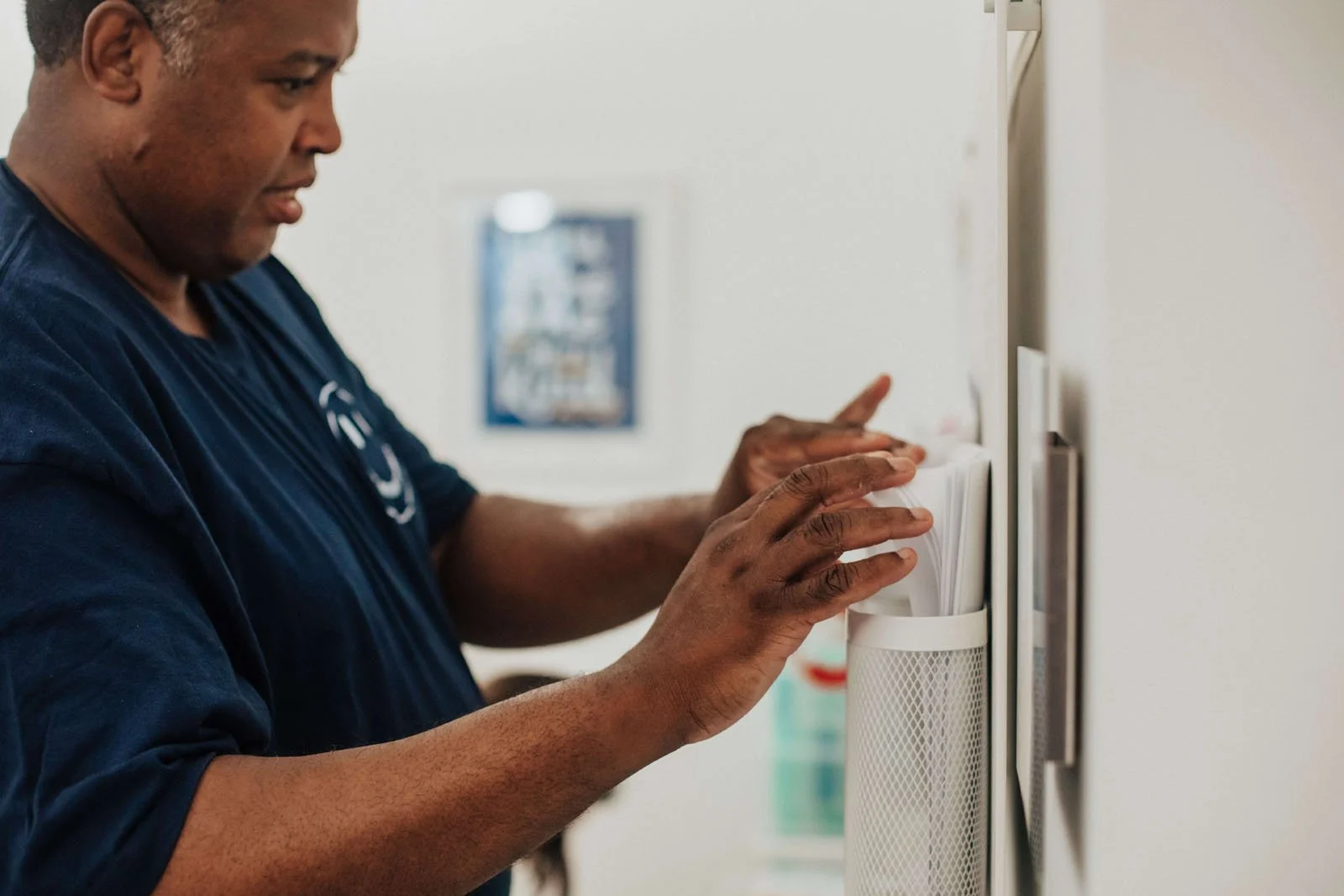
One of the most meaningful parts of building The Awesome Company has been seeing what happens when people are given the opportunity to work in an environment where they feel supported and valued.
People Thrive When They Feel Supported
Clear communication, structure, patience, and consistency can completely change how someone feels at work.
Attention to Detail Matters
Members of our neurodiverse team bring incredible focus and care to garment preparation, organization, and quality checking.
Small Adjustments Can Make a Big Difference
Simple changes like predictable routines and supportive communication can significantly improve workplace experiences.
Inclusive Workplaces Create Better Teams
Different perspectives and ways of thinking help create stronger, more thoughtful teams.
Meaningful Work Matters
Everyone deserves the opportunity to feel proud of the work they do and valued for their contributions.
Why Inclusive Employment Benefits Everyone
Different Perspectives Create Stronger Teams
Inclusive workplaces encourage innovation, creativity, and stronger collaboration.
Clear Communication Improves Workplace Culture
The systems that support autism friendly jobs often improve workplace culture for everyone.
Inclusive Hiring Expands Opportunities
Businesses gain access to talented employees they may have otherwise overlooked.
Employees Feel More Valued and Supported
Inclusive environments foster empathy, patience, and stronger relationships.
Businesses Become More Connected to Their Communities
Customers increasingly value companies that prioritize inclusion and meaningful employment.
Encouraging More Opportunities for Autism Employment
Creating more opportunities for autistic adults starts with rethinking how workplaces support different kinds of employees.
Small Changes Can Open Big Doors
Even simple workplace adjustments can create meaningful opportunities.
Businesses Have More Influence Than They Realize
Workplaces play a major role in confidence, independence, and quality of life.
Awareness Leads to Action
Inclusive hiring practices only matter when businesses actively create opportunities and supportive environments.
Every Workplace Will Look Different
There is no one-size-fits-all solution. The goal is to create flexible, respectful workplaces that support people as individuals.
Why This Matters to Us
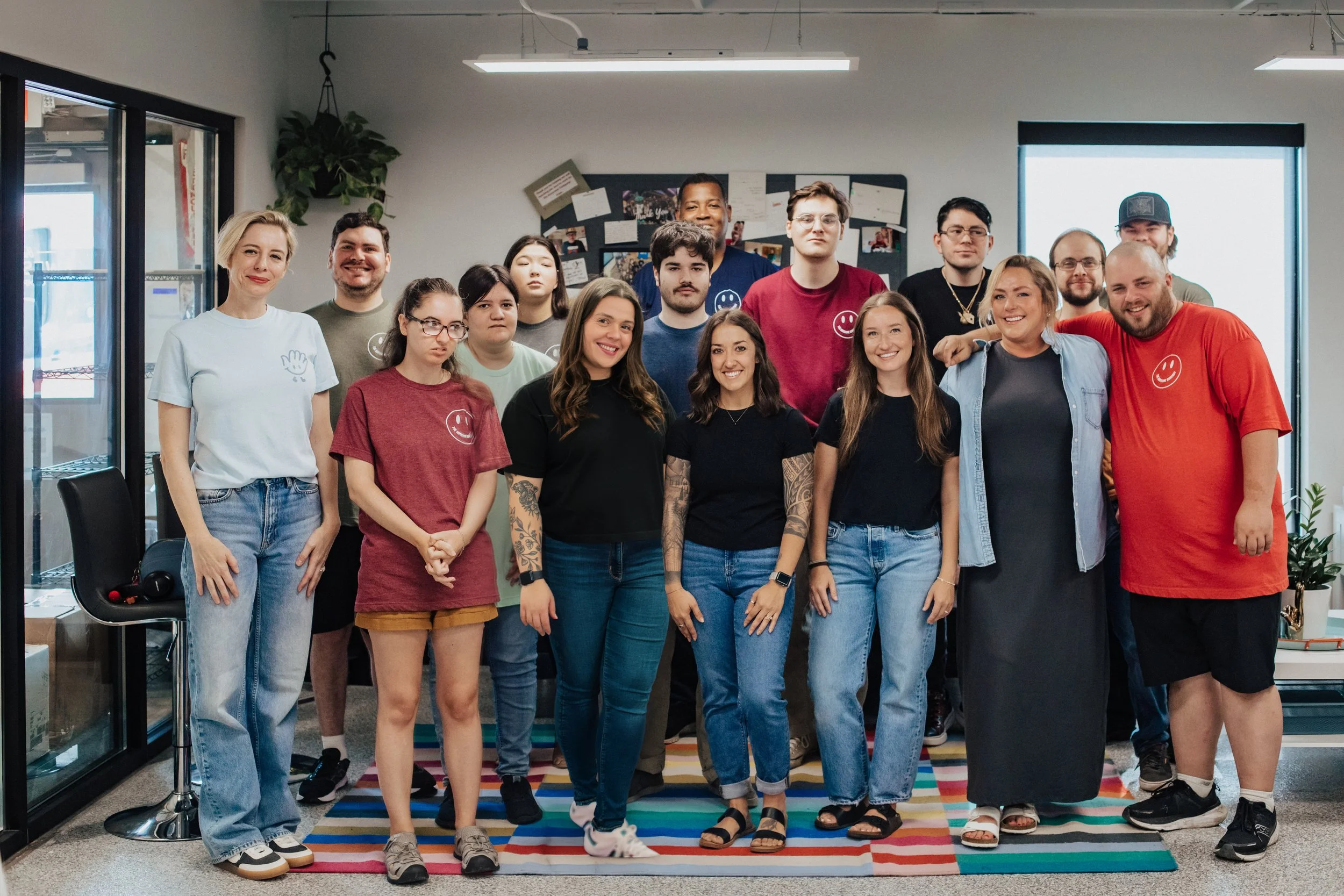
At The Awesome Company, our mission is rooted in creating environments where autistic adults feel supported, valued, and empowered to succeed.
Lets Have More Inclusive Workplaces
Creating more autism friendly workplaces is not about lowering standards or treating people differently. It is about recognizing that people work, communicate, and process the world in different ways and building environments where those differences can be supported instead of overlooked.
When businesses focus on clear communication, structure, respect, and inclusive hiring practices, they create opportunities for autistic adults to succeed and contribute in meaningful ways.
At The Awesome Company, we have seen firsthand how powerful supportive employment can be. We have watched confidence grow, skills develop, and people thrive when they feel valued for who they are and what they bring to the table.
When people search for jobs for autism, they are often searching for more than employment. They are searching for belonging, opportunity, and workplaces where they can feel comfortable being themselves.
We believe more businesses are capable of creating those kinds of environments, and the more inclusive workplaces become, the more opportunities there will be for autistic adults to build meaningful careers and futures.
-
Good jobs for autism vary from person to person, but many autistic individuals thrive in structured and supportive environments with clear expectations.
-
Autism friendly workplaces often include clear communication, predictable routines, sensory considerations, and supportive leadership.
-
Many autistic adults face barriers related to traditional hiring processes, workplace communication expectations, and sensory environments.
-
Employers can improve communication, provide structured training, consider sensory needs, and focus on individual strengths.
-
No. Inclusive workplaces often improve communication, organization, and workplace culture for everyone.
-
Absolutely. Many supportive workplace changes are simple and low cost.