Custom Work Shirts: How to Choose Apparel Your Employees Will Wear
When you’re ordering custom work shirts for your team, it can be tempting to focus on just two things: putting your logo on a shirt and staying within budget. But after helping businesses create custom apparel for years, I’ve learned that there’s a much more important question to ask: will your employees actually want to wear it?
A work shirt can look great in a catalog and still end up sitting untouched in the back of someone’s closet. Maybe the fabric feels too heavy, the fit is uncomfortable, or the style doesn’t make sense for the work your employees are doing. When that happens, you’re not getting much value from your investment, and your team misses out on apparel that could help them feel comfortable, confident, and connected.
The best custom work shirts balance comfort, durability, function, and good design. They should work for your employees’ actual day, whether they’re meeting with customers, working outdoors, moving around a production space, or sitting in an office. They should also represent your business in a way that feels professional without looking stiff or overly promotional.
At The Awesome Company, we help businesses think through all of those details before an order goes into production. From choosing the right shirt and fabric to deciding between screen printing, embroidery, or DTF, our goal is to make the process easier and help you create apparel your team will be happy to wear.
In this guide, I’ll walk you through what to consider when choosing custom work shirts, so you can feel confident that your next order looks great, fits well, and works for the people wearing it.
Why the Right Custom Work Shirts Matter
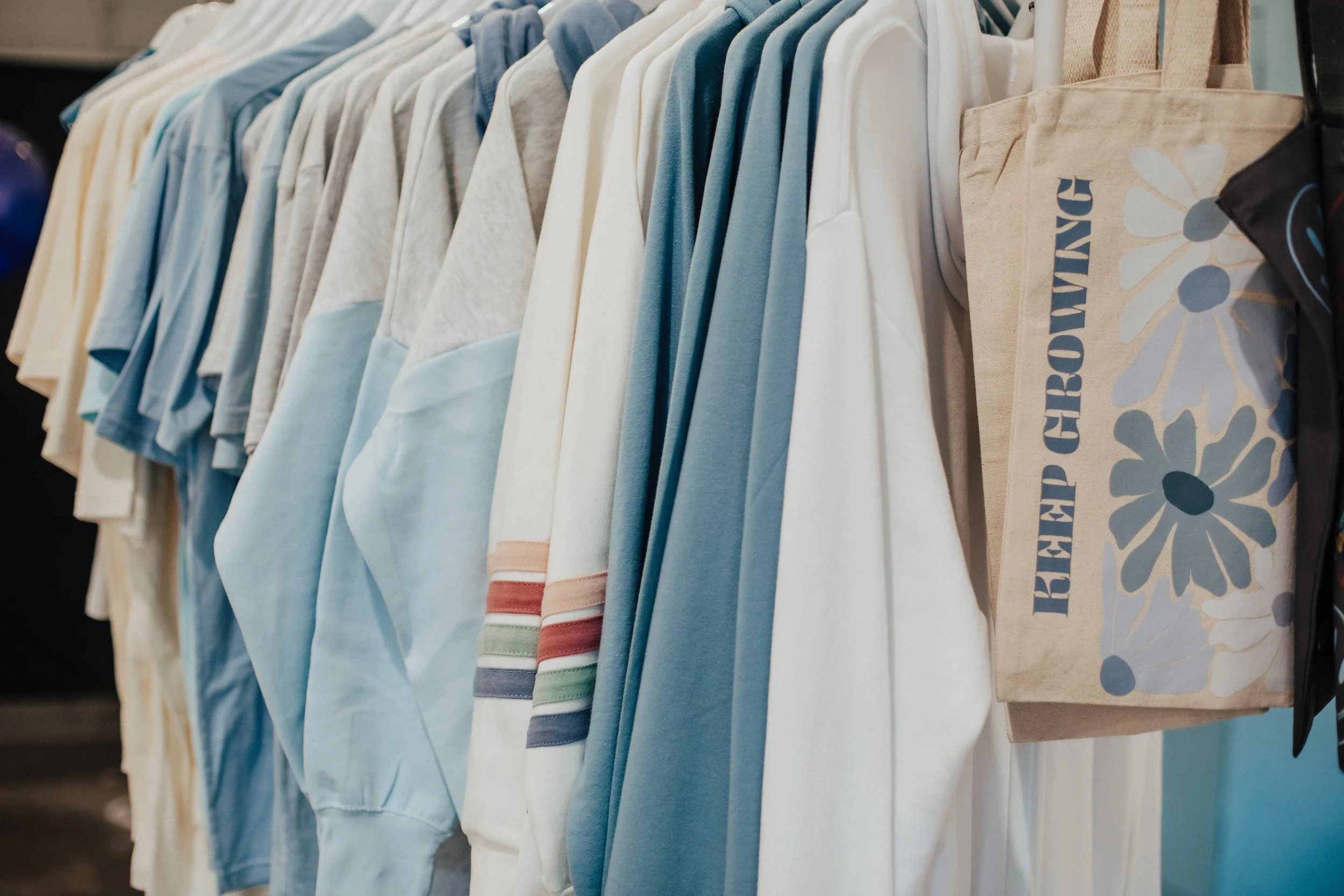
Custom work shirts do more than help your team look coordinated. When they’re chosen thoughtfully, they can make employees feel more comfortable, confident, and connected to the company they represent.
I always tell customers that the best work shirt is one employees will reach for without being reminded. If a shirt fits well, feels good, and works for the job, people are much more likely to wear it consistently. That means your team looks professional, your branding stays visible, and you get more value from every piece you order.
The right apparel can also help create a sense of belonging. There’s something meaningful about putting on a shirt that says, “I’m part of this team.” It can make a new employee feel included, help a crew look unified at an event, and give customer-facing staff a polished, approachable appearance.
Comfort matters just as much as branding. An employee who spends the day lifting boxes, working outside, or moving around a production space needs something very different from someone working at a front desk or attending client meetings. Choosing the wrong fabric, fit, or style can quickly turn a nice-looking shirt into something employees avoid wearing.
Quality matters, too. A lower-priced shirt may seem like a good deal at first, but if it shrinks, fades, loses its shape, or becomes uncomfortable after a few washes, you may end up replacing it sooner than expected. In many cases, spending a little more on a dependable garment gives you better long-term value.
Well-designed custom work shirts can even help promote your business outside of work. When employees genuinely like the apparel, they may wear it while running errands, attending community events, or spending time with friends and family. That turns a practical uniform into extra brand exposure without making the shirt feel like a walking advertisement.
Start With the Employee’s Actual Workday
Before choosing a shirt style, fabric, or decoration method, I always recommend thinking about what your employees actually do during the day. A shirt that works perfectly in an office may not be the best choice for someone working outdoors, lifting boxes, operating equipment, or moving around for several hours at a time.
Start by looking at the work environment. Is the space warm or climate-controlled? Are employees working inside, outside, or a combination of both? Will they be interacting with customers, getting dirty, handling food, or working around materials that could stain their clothing? These details can make a big difference when choosing custom work shirts.
For active jobs or warm environments, lightweight and breathable shirts are usually the most comfortable option. Moisture-wicking performance fabrics can also be helpful for employees who work outside or are constantly on the move. For customer-facing roles, polos, button-downs, or embroidered quarter-zips may create a more polished look while still feeling comfortable.
It is also important to think about movement. Employees should be able to bend, reach, lift, and work without feeling restricted. A shirt may look great while someone is standing still, but that does not always mean it will work well during an eight-hour shift.
You may also need more than one apparel option for the same team. Office employees might prefer polos, while warehouse or production employees are more comfortable in T-shirts. Outdoor crews may need long sleeves, sweatshirts, or jackets depending on the season. Your branding can still stay consistent even when the garment styles are different.
Choose Fabrics Employees Will Want to Wear
Fabric is one of the biggest factors in whether employees will actually enjoy wearing their custom work shirts. Two shirts can look almost identical online but feel completely different once someone puts them on.
Cotton is a popular choice because it feels soft, breathable, and familiar. It works especially well for casual workplaces, office teams, retail staff, and everyday company shirts. The downside is that some cotton shirts can shrink or hold onto moisture, so it is important to choose a dependable garment and pay attention to care instructions.
Polyester and performance fabrics are often a better fit for employees who work outside, stay active, or spend time in warm environments. These materials are usually lightweight, moisture-wicking, and quick-drying. They can be a great option for landscaping crews, delivery drivers, construction teams, fitness staff, and anyone who needs a shirt that can handle movement and heat.
Cotton-polyester blends are one of my favorite all-around options for custom work shirts. They combine the softness of cotton with the durability and shape retention of polyester. Blended shirts often resist shrinking and wrinkling better than 100 percent cotton, which makes them practical for businesses that need apparel to hold up through frequent washing.
Tri-blend shirts are another comfortable option. They usually have a soft, lightweight, retail-style feel that employees really enjoy. These shirts can be perfect for casual offices, employee appreciation apparel, company events, or branded shirts employees might wear outside of work. However, they may not be the best choice for especially rugged jobs where a thicker fabric is needed.
The most important thing is to match the fabric to the job. A soft shirt is great, but it still needs to perform well in the employee’s work environment.

Pay Attention to Fit, Sizing, and Inclusivity
Even the best-looking custom work shirts will not get much wear if employees do not feel comfortable in them. Fit is personal, and one shirt style is rarely going to work equally well for every person on your team.
Whenever possible, I recommend offering more than one fit or cut. A standard unisex T-shirt may work well for many employees, but others may feel more comfortable in a relaxed fit, a women’s cut, or a tall size. Giving people a few approved options can make a big difference without making the ordering process overly complicated.
It is also important to offer an inclusive size range. Employees should not feel singled out or limited because their size is not available in the garment you selected. Before committing to a shirt, check the full size range and make sure the style works for everyone who will be wearing it.
Sizing can vary between brands and garment styles, so I never recommend guessing. Use the manufacturer’s size chart, and consider ordering samples before placing a large order. Letting employees try on a shirt or compare measurements can help prevent incorrect sizes, uncomfortable fits, and wasted apparel.
For larger teams, collecting sizes through a simple form can make the process much easier. It is also helpful to ask whether employees prefer a T-shirt, polo, sweatshirt, or another approved option when their role allows for flexibility.
Think About Durability and Care Requirements
Custom work shirts need to do more than look good on the first day. They also need to hold up through regular wear, frequent washing, and the demands of your employees’ jobs.
If employees are expected to wear their shirts several days a week, durability becomes especially important. A lightweight promotional shirt may be perfect for an event, but it might not be the best option for a team that needs dependable apparel all year long.
Employees in construction, landscaping, manufacturing, food service, and other hands-on roles may need heavier fabrics, stronger seams, and materials that can handle stains and repeated washing. Office or retail teams may be able to prioritize softness and a more polished appearance.
Care instructions should also be simple and realistic. Most employees want work shirts they can wash with the rest of their clothes without worrying about special treatments. Choosing garments that resist shrinking, wrinkling, fading, and losing their shape can make life easier for everyone.
It is also worth looking at long-term value instead of only the lowest price. A cheaper shirt may seem like the best deal, but if it fades, stretches, or needs to be replaced quickly, it can end up costing more over time.
Select the Right Decoration Method
Once you have chosen the right garment, the next step is deciding how your logo or design should be applied. The best decoration method depends on the fabric, artwork, quantity, budget, and overall look you want to achieve.
Screen Printing
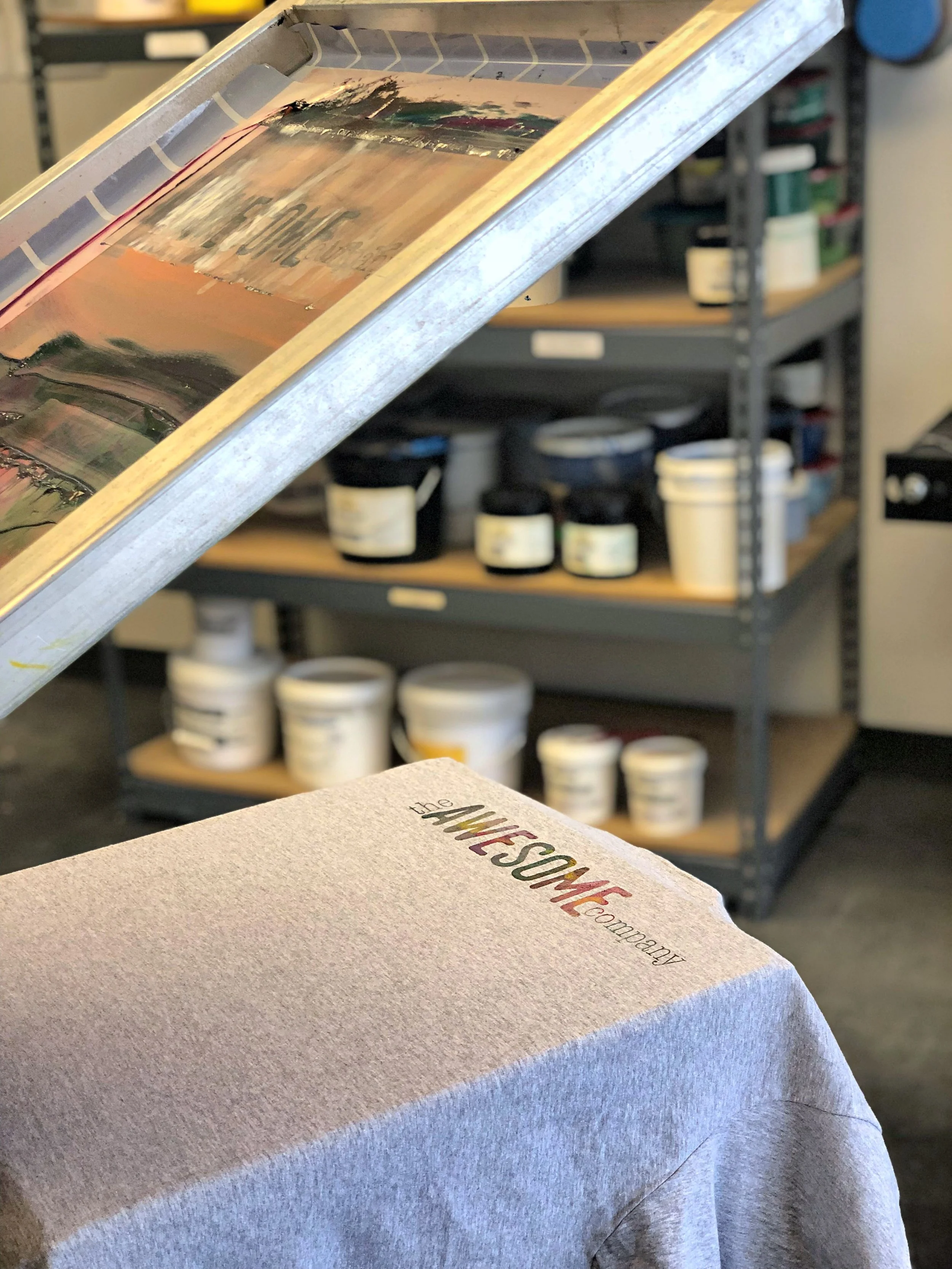
Screen printing is a great choice for bold logos, simple graphics, and larger orders. It creates vibrant, durable designs that can hold up well through repeated washing. I often recommend screen printing for crew shirts, company T-shirts, event apparel, and uniforms that need a clean, consistent look.
Embroidery
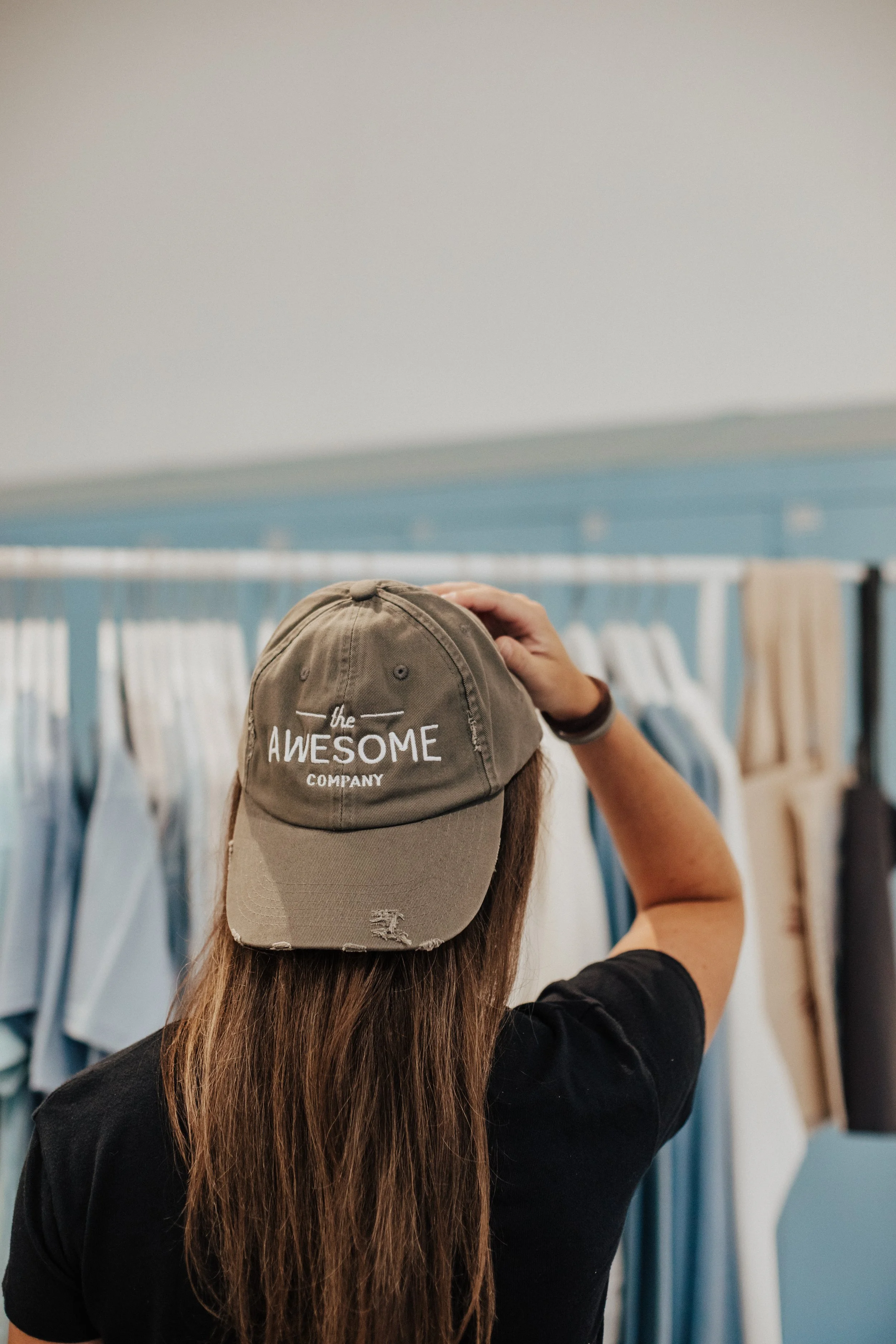
Embroidery is ideal when you want something polished and professional. It works especially well on polos, hats, jackets, quarter-zips, and heavier garments. An embroidered logo can give work apparel a more elevated appearance, which makes it a strong option for office teams, managers, hospitality staff, and customer-facing employees.
DTF Printing
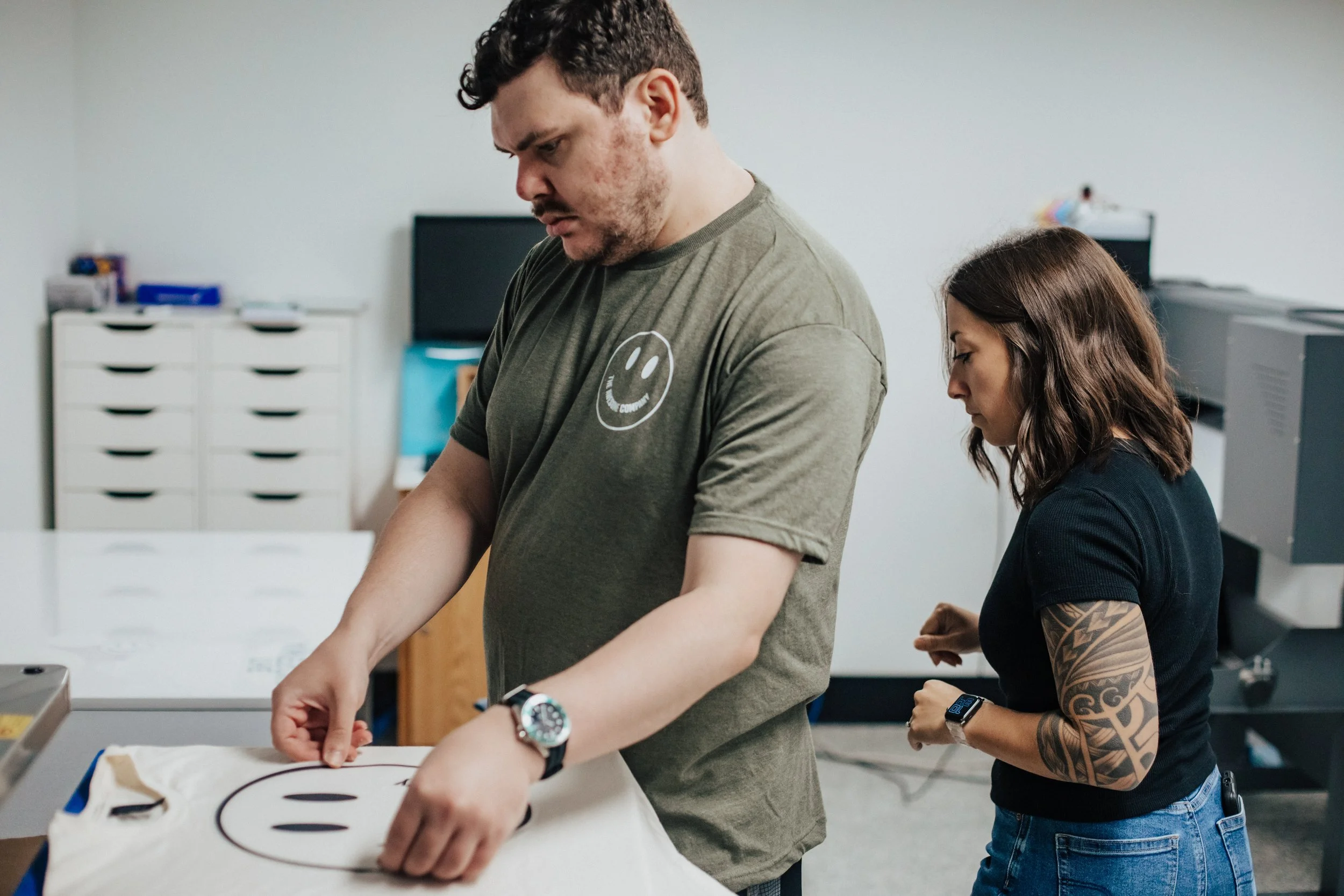
DTF, or direct-to-film printing, is another versatile option. It works well for detailed artwork, designs with several colors, smaller quantities, and orders that need more flexibility. DTF can also be helpful when you want to personalize shirts for individual employees or create a limited run without committing to a large batch.
The biggest mistake I see is choosing the decoration method before choosing the shirt. Not every printing process works the same way on every fabric, and the wrong combination can affect the look, feel, or durability of the finished product.
At The Awesome Company, we consider the garment, artwork, quantity, intended use, and budget before recommending a decoration method.
Keep the Design Professional and Wearable
The design on your custom work shirts should represent your business clearly, but it should also be something your employees feel comfortable wearing. A shirt does not need to be covered in information to be effective.
A small left-chest logo is a classic option for polos, button-downs, jackets, and other customer-facing apparel. A larger front or back design can work well for crew shirts, production teams, event staff, and businesses that want their branding to be visible from a distance.
You might also place a small logo on the front and add a larger design, website, or short message on the back. The key is to keep the layout clean so the shirt does not feel crowded or overly promotional.
Color contrast matters, too. Your logo should be easy to see against the garment color, whether it is printed with ink, applied through DTF, or stitched with embroidery thread.
I also recommend being selective about how much information you include. A logo, short tagline, or website may be useful, but adding a phone number, full service list, social media handles, and several messages can quickly make the design feel busy.
At The Awesome Company, our design team can clean up existing artwork, convert low-quality files into print-ready designs, and recommend colors and placements that work well with the garment you choose.

Involve Employees Before Placing the Order
One of the easiest ways to choose custom work shirts employees will actually wear is to ask for their input before placing the order.
You do not have to hand over every decision, but giving your team a voice can help you avoid ordering apparel that looks good on paper and feels wrong in real life.
I recommend narrowing the choices down to two or three approved options. Employees might choose between a classic T-shirt and a performance shirt, or between a polo and a quarter-zip. This keeps the branding consistent while giving people flexibility based on their role, comfort preferences, and personal style.
Employee feedback can also reveal practical details you may not have considered. Your team may know that a certain fabric feels too warm, a shirt runs small, or a pocket would make the garment more useful during the workday.
When employees feel included in the decision, they are more likely to feel comfortable, confident, and excited to wear their new custom work shirts.
Order Enough for Rotation, New Hires, and Replacements
Once you have chosen the right shirt, fabric, fit, and decoration method, the next step is deciding how many pieces to order.
If employees are expected to wear custom work shirts several days a week, one shirt per person usually is not enough. Think about each employee’s weekly schedule, how often laundry is done, and how messy or active the job can be. Providing multiple shirts gives employees enough for a comfortable rotation.
It is also helpful to order a few extra shirts in common sizes. New employees may join the team, someone may need a different size, or a shirt may become stained or damaged.
For growing businesses, save the garment style, color, artwork, print placement, and decoration details. That way, when you need to add shirts for new hires or replace worn pieces, you are not starting the process over.
You may also want to plan for seasonal apparel. T-shirts might work well during warmer months, while sweatshirts, quarter-zips, or jackets may be more practical when the weather changes.
Why Choose The Awesome Company for Custom Work Shirts?
Choosing the right custom work shirts is easier when you have a team helping you think through all the little details. At The Awesome Company, we do more than place a logo on a shirt. We help you choose apparel that fits your workplace, your budget, your brand, and the people who will actually be wearing it.
We offer screen printing, embroidery, and DTF, so we can recommend the decoration method that makes the most sense for your project. A large T-shirt order may be best suited for screen printing, while polos, jackets, and hats may look better with embroidery. Smaller orders or detailed, full-color designs may be a better fit for DTF.
Our design team can also help prepare your artwork for production. If you already have a clean, print-ready logo, that is great. If you only have a low-resolution image, an old file, or an idea that still needs to be developed, we can help with that too.
We can help narrow down garment choices based on the work your employees do and the look you want to create. We can also provide sizing information, recommend trusted apparel styles, and help you choose options that work for a wide range of employees.
Every order is reviewed before production, and you will receive a proof so you can approve the artwork, placement, and details before we move forward. Once the apparel is complete, our team can assist with folding, sorting, packing, and shipping to make distribution easier.
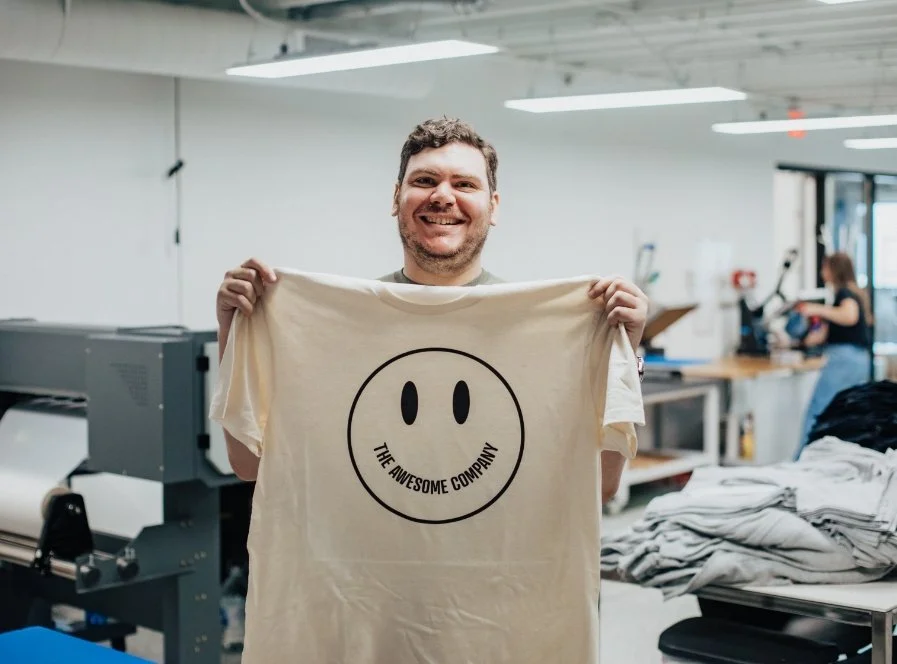
One of the things I am most proud of is that every order placed with The Awesome Company supports meaningful employment for autistic adults. Our employees are involved in many parts of the process, including production support, quality control, packaging, and fulfillment.
When you choose us for your custom work shirts, you are investing in quality apparel while also supporting a more inclusive workplace.
Make Custom Work Shirts an Investment Employees Appreciate
The best custom work shirts are not simply uniforms. They are practical tools that help employees feel comfortable, look professional, and represent your business with confidence.
When you take the time to choose the right garment, fabric, fit, and decoration method, you are much more likely to create apparel your team will actually wear. That means better value for your business, more consistent branding, and fewer shirts sitting unused in the back of a closet.
The lowest-priced option is not always the most affordable in the long run. A shirt that shrinks, fades, loses its shape, or feels uncomfortable may need to be replaced sooner. A dependable garment that holds up through regular wear and washing can offer much better value over time.
The most successful custom apparel projects begin with your employees in mind. Think about what they do during the day, what kind of fit they prefer, and what features will make their work easier.
At The Awesome Company, we are here to help you through every part of that process. From choosing apparel and preparing artwork to screen printing, embroidery, DTF, quality control, and fulfillment, our team can help you create custom work shirts that fit your brand and your workplace.
Your employees deserve apparel that feels as good as it looks. When you are ready to create custom work shirts your team will be proud to wear, contact The Awesome Company to start ordering your next project.
-
The best material depends on the employee’s job and work environment. Cotton is soft and breathable, polyester is lightweight and moisture-wicking, and cotton-polyester blends offer a strong balance of comfort and durability. Performance fabrics are often ideal for outdoor or active teams.
-
Screen printing is a great option for T-shirts, bold graphics, and larger orders. Embroidery creates a polished, professional look and works especially well on polos, jackets, quarter-zips, and hats. DTF may be best for smaller quantities, detailed artwork, or full-color designs.
-
The right number depends on how often employees are expected to wear them. If the shirt is part of a daily uniform, employees may need several shirts for a comfortable weekly rotation. It is also helpful to keep extra shirts available for new hires, replacements, and size changes.
-
Yes. You can create a coordinated apparel collection that includes T-shirts, polos, sweatshirts, jackets, and other garments while keeping the logo, colors, and overall branding consistent.
-
Yes. Our design team can review your existing artwork, clean up low-resolution files, recreate graphics when necessary, and prepare your design for screen printing, embroidery, or DTF production.